
Air pollution in Delhi has become a persistent and serious health concern, affecting millions of residents daily. With Delhi AQI frequently crossing hazardous levels, recent spikes in 2026 have pushed the index beyond 500, making even short-term exposure harmful.
Clinical observations support this growing concern. Studies from leading institutions indicate that nearly 1 in 3 individuals in Delhi show reduced lung function, even among non-smokers. This has led to an increasing number of patients seeking consultation with a pulmonologist in Delhi, particularly for unexplained breathlessness and chronic cough.
“We are seeing a clear rise in pollution-related lung issues, even in young and otherwise healthy individuals.” — Dr. Manu Madan
What Exactly Are You Breathing In?
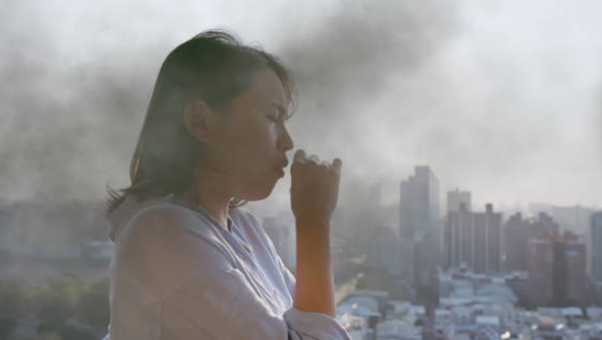
Delhi’s air contains a toxic mix of pollutants, including:
- 5 and PM10 particles (fine particulate matter)
- Nitrogen dioxide (NO₂)
- Sulfur dioxide (SO₂)
- Carbon monoxide (CO)
- Ground-level ozone
What Is PM2.5 and Why Is It Dangerous?
PM2.5 refers to extremely fine particles that can penetrate deep into the lungs. Due to their small size, they bypass the body’s natural filtration mechanisms and settle in the lower respiratory tract.
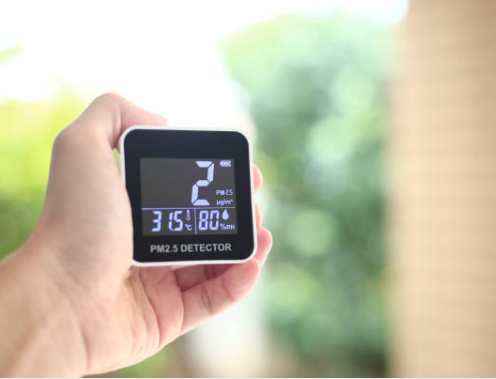
Other Harmful Pollutants in Delhi Air (NO₂, SO₂, CO)
In addition to particulate matter, gases such as nitrogen dioxide and sulfur dioxide contribute to airway inflammation and reduced oxygen exchange.
Is Breathing Delhi Air Equal to Smoking Cigarettes?
Understanding the “9 Cigarettes a Day” Comparison
Research suggests that breathing Delhi’s polluted air may be equivalent to smoking up to 9 cigarettes daily in terms of toxic exposure.
How Scientists Measure Pollution Exposure
This comparison is based on particulate concentration and its long-term impact on lung tissue.
How Air Pollution Damages Your Lungs (Step-by-Step Process)
Step 1 – Inhalation of Fine Particles (PM2.5)
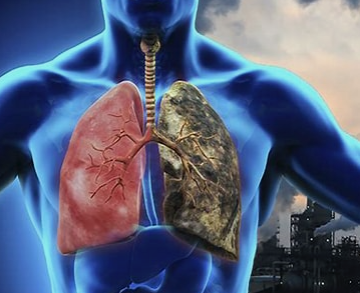
Step 2 – Particles Reach the Alveoli
Step 3 – Pollutants Enter the Bloodstream
Step 4 – Inflammation and Oxidative Stress
Step 5 – Long-Term Lung Damage and Reduced Capacity
If you’ve noticed a persistent cough or breathlessness, it may not be temporary. Early evaluation by a pulmonologist can help prevent long-term complications.
Long-Term Effects of Delhi Pollution on Lung Health
Chronic Bronchitis
Asthma and Respiratory Disorders
Pollution can trigger asthma or worsen existing respiratory conditions
Reduced Lung Function
A gradual decline in lung capacity affects daily activities and overall quality of life.
Increased Risk of Lung Infections
Short-Term Effects of Air Pollution on Lungs
Coughing and Throat Irritation
Eye and Chest Irritation
Continuous wheezing
Frequent asthma attacks
Bluish lips or fingertips
Shortness of Breath
Severe breathlessness
Chest pain or pressure
Difficulty speaking
Low oxygen levels
Who is most affected by Delhi Air Pollution?
- Children are more vulnerable due to developing lungs and higher breathing rates
- Elderly individuals – increased sensitivity due to age-related decline in lung function
- People with asthma or COPD – symptoms can worsen with exposure to pollutants
- Pregnant women – higher risk, as pollution can affect both the mother’s and the fetus’s health
Signs Your Lungs Are Being Affected by Pollution
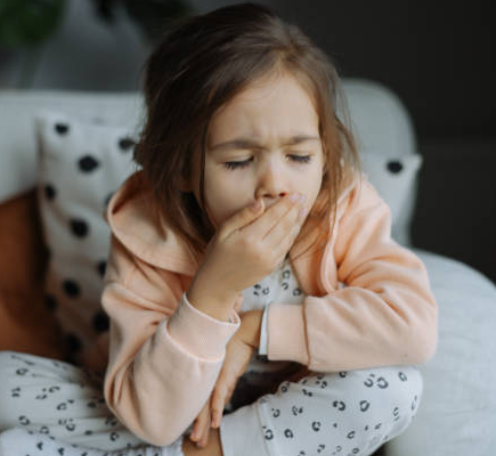
Persistent Cough
An unresolved cough can indicate irritation or inflammation.
Reduced Stamina or Breathlessness
Chest Tightness
Frequent Respiratory Infections
Breathing should feel natural—not exhausting. If you feel fatigued or breathless, get your lung health checked early.
Delhi Pollution Data 2026 – AQI Trends and Health Impact
Here are the reformed bullet points for each section:
Delhi AQI Today and Seasonal Patterns
- Delhi’s AQI crosses the “severe” category multiple times a year, far beyond safe breathing levels
- Winter months see the sharpest spikes due to temperature inversions trapping pollutants close to ground level
- Post-monsoon and festive seasons consistently push AQI into hazardous zones
- 2026 has recorded concerning pollution surges even outside the traditional winter peak period
PM10 Levels vs WHO Safe Limits (Up to 58× Higher)
- WHO recommends a PM10 limit of 15 µg/m³ annually — Delhi regularly exceeds this by up to 58 times
- Prolonged exposure to such levels accelerates lung tissue damage and reduces respiratory capacity
- Children, the elderly, and those with existing lung conditions face the highest health risks
- Even short-term spikes above safe limits can trigger inflammation deep in the airways
Major Causes – Traffic, Construction, Stubble Burning
- Vehicle emissions from Delhi’s dense traffic remain the single largest contributor to urban air pollution
- Ongoing construction activity releases coarse dust particles that linger in the air for extended periods
- Stubble burning in neighbouring states sends massive plumes of smoke into the Delhi airshed each October and November
- Industrial discharge and open waste burning add a persistent baseline layer of toxic particulates year-round
Expert Care for Pollution-Related Lung Issues in Delhi
If you are experiencing symptoms related to air pollution, consulting a pulmonologist in Saket, Delhi can help you receive an accurate diagnosis and timely care. Patients looking for a top pulmonologist in Delhi often seek specialized evaluation for conditions like asthma, chronic cough, and breathlessness.
For those considering advanced respiratory care, consulting a pulmonologist at Max Hospital Saket ensures access to comprehensive diagnostic and treatment facilities under expert supervision.
When Should You See a Doctor for Pollution-Related Symptoms?
Dr. Manu Madan highlights that pollution doesn’t just worsen existing respiratory problems; it can actually create them.
- Asthma: Increased frequency and severity of attacks
- Chronic Obstructive Pulmonary Disease: Faster progression and frequent flare-ups
- Bronchitis: Persistent cough and mucus buildup
- Lung Cancer: Long-term exposure increases risk
- Pulmonary Fibrosis: Irreversible lung damage
What is particularly concerning is that even individuals with no prior lung disease are now presenting with reduced lung function, something that was earlier seen mostly in smokers.
Doctor’s Quote:
“By the time symptoms become severe, lung function may already be compromised. Early consultation can make a significant difference.” — Dr. Manu Madan
How to Protect Your Lungs from Delhi Pollution
● Use Air Purifiers Indoors
● Avoid Outdoor Activities During High AQI
● Improve Indoor Air Quality
● Regular Lung Health Checkups
Your lungs face pollution daily—act early to protect them. Don’t wait until breathing becomes difficult.
Frequently Asked Questions
Can Delhi pollution cause permanent lung damage?
Yes, prolonged exposure can lead to irreversible lung damage.
How long does it take for pollution to affect the lungs?
Short-term effects may appear within days, while long-term damage develops gradually.
Is PM2.5 more dangerous than PM10?
Yes, due to its ability to penetrate deeper into the lungs.
Can lungs recover from air pollution exposure?
Partial recovery is possible, but severe damage may be permanent.
What AQI level is considered dangerous?
AQI above 300 is considered hazardous.