
E-cigarettes have gained popularity as an alternative to traditional smoking, especially among young adults. While marketed as a safer option, vaping still poses significant risks to lung health. Comparing vaping lungs to healthy lungs provides insight into the subtle, sometimes invisible changes that occur with frequent e-cigarette use.
Healthy lungs maintain proper oxygen exchange, filter harmful particles, and support immunity. Vaping lungs, however, may experience inflammation, reduced elasticity, and impaired oxygen absorption. Understanding the effects of Vaping lungs vs. healthy lungs is key to protecting respiratory health and avoiding long-term complications.
Even occasional vaping can subtly affect lung function. Early detection and proper evaluation are key to preventing long-term damage,” says a leading pulmonologist in Noida, Dr. Manu Madan, MD, DM(AIIMS)
How Vaping Lungs Differ from Healthy Lungs
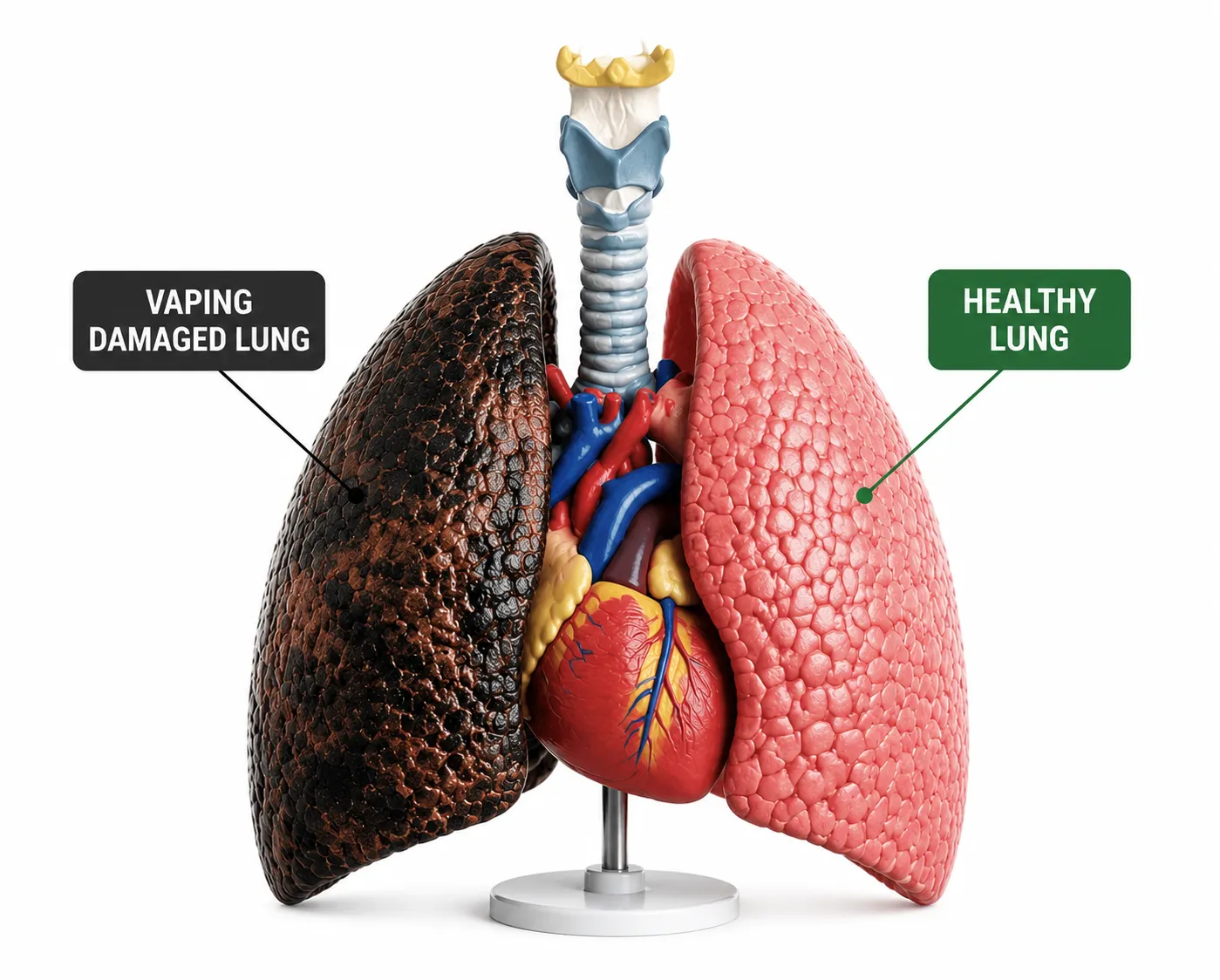
Vaping introduces chemicals such as nicotine, propylene glycol, glycerin, and flavoring agents directly into the lungs. These substances can irritate the delicate airways and alveoli over time.
Key differences include:
Aspect | Vaping Lungs | Healthy Lungs |
Inflammation | Chronic irritation of airways, may trigger coughing or tightness. | Smooth, clear airways; no chemical irritation. |
Lung Function | Slight drop in oxygen absorption and stamina. | Efficient oxygen flow; normal lung capacity. |
Infections | Higher chance of respiratory infections. | Strong defense; infections rare. |
Mucus | Excess mucus buildup, chronic cough. | Minimal mucus; airways stay clear. |
Elasticity | Tissue loses some flexibility over time. | Fully elastic; easy breathing. |
Long-Term Risk | Risk of chronic bronchitis or early COPD. | Healthy tissue; minimal long-term issues. |
What are Common Respiratory Risks of E-Cigarettes
Even occasional vaping may affect lung health. Medical studies highlight several risks associated with vaping:
- EVALI (E-cigarette or Vaping-Associated Lung Injury)– A severe inflammatory response that damages lung tissue and may require hospitalization.
- Chronic Bronchitis-like Symptoms– Persistent cough, phlegm, and irritation of the bronchi are common.
- Impaired Immune Function– Exposure to chemicals can lower defense against infections like pneumonia and influenza.
- Airway Hyperreactivity– Some users may develop asthma-like symptoms, wheezing, and shortness of breath.
- Potential Long-term Damage– Repeated exposure may cause irreversible changes in lung tissue over years.
How Can You Recognize the Signs of Lung Damage from Vaping?
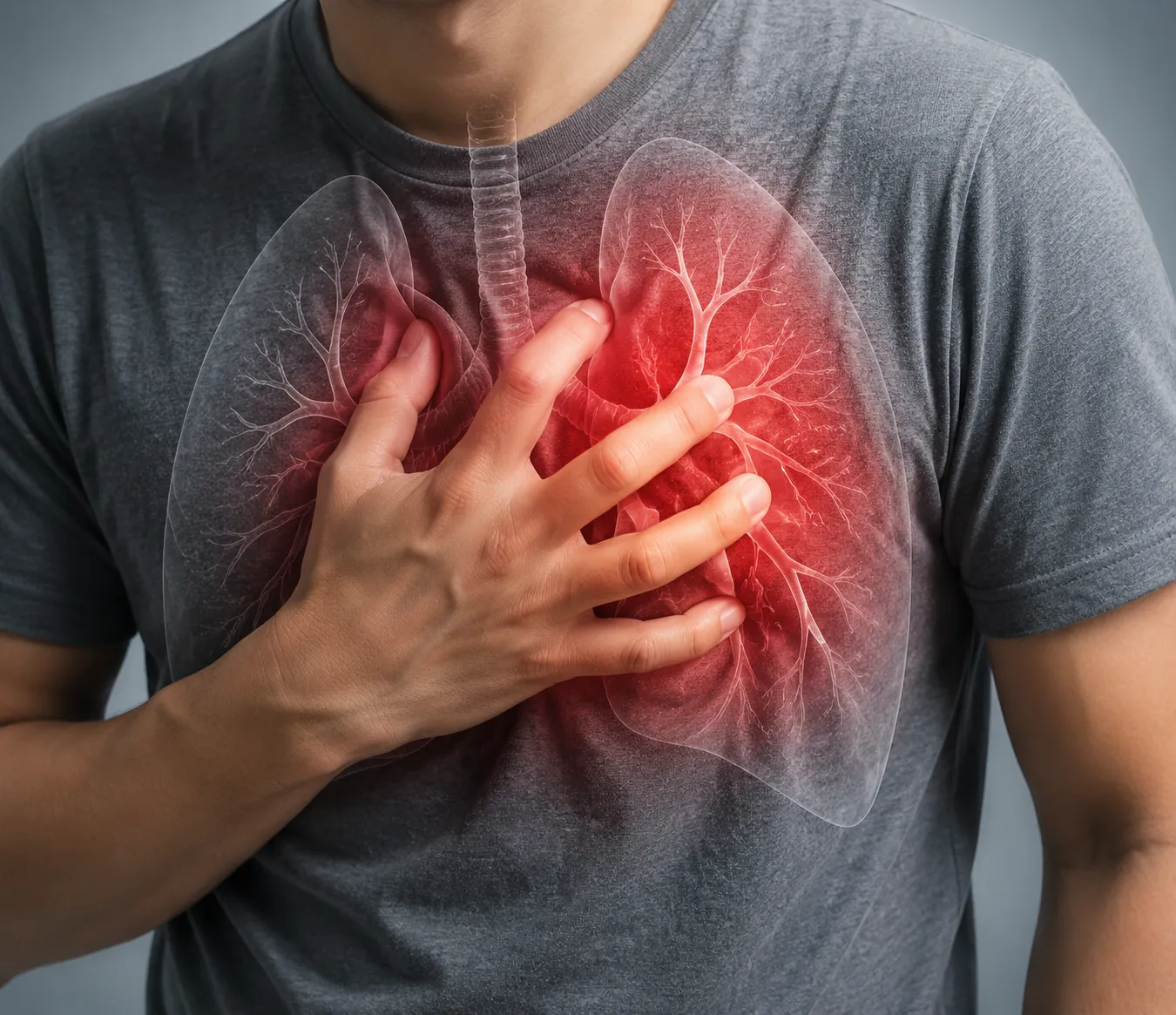
Even subtle symptoms can signal early lung changes from vaping. Watch for:
- Shortness of Breath:Difficulty breathing during normal activities or light exercise.
- Persistent Cough:Chronic cough, with or without phlegm.
- Wheezing or Chest Tightness:Notable during activity or at night.
- Frequent Respiratory Infections:More colds, bronchitis, or pneumonia than usual.
- Fatigue or Reduced Stamina:Everyday tasks feel unusually tiring.
.
Detecting early signs of vaping-related lung stress is crucial for preventing long-term damage. Even subtle symptoms can indicate changes in lung function before serious complications arise. Early detection is key; addressing these signs promptly can help prevent long-term lung damage.
When Should You Consult a Doctor About Lung Health?

See a doctor if you notice:
- Shortness of breath during normal activities
- Persistent coughor excess mucus
- Wheezing or chest tightness
- Frequent respiratory infections
- Unusual fatigue
Early evaluation can catch lung changes from vaping before they become serious. Routine check-ups are recommended for anyone using e-cigarettes.
Tips to Protect Your Lungs
Protecting lung health requires awareness and proactive measures:
- Avoid Vaping:The most effective way to maintain healthy lungs is to stop e-cigarette use completely.
- Exercise Regularly:Cardio and respiratory exercises improve oxygen capacity and airway efficiency.
- Maintain Air Quality:Avoid secondhand smoke, pollutants, and indoor irritants.
- Monitor Health:Regular check-ups, lung function tests, and symptom tracking help detect issues early.
- Seek Medical Advice:Persistent symptoms warrant evaluation by a respiratory specialist.
Don’t wait for symptoms to appear. Book a lung check today and take control of your respiratory health before it’s too late.
Frequently Asked Questions
1. Can vaping permanently damage lungs?
2. Are vaping lungs worse than smoking lungs?
3. How can I tell if my lungs are affected by vaping?
4. Is there a way to reverse vaping lung damage?
5. Are flavored e-cigarettes safer than regular ones?
No. Many flavoring agents contain chemicals that irritate lungs and contribute to inflammation. Safety claims are often unverified.