Lung cancer is one of India’s deadliest cancers, and most cases are caught too late.
The reason is that lung cancer stays silent in its early stages. By the time symptoms like persistent cough or chest pain appear, the disease is often advanced and harder to treat.
A simple Low-Dose CT (LDCT) scan can detect tumors years before symptoms show, when treatment is most effective. Consulting the best pulmonologist for timely screening is the first step toward protecting your lungs.
“Screening for lung cancer through a low-dose CT scan (LDCT) can detect early-stage tumors that are too small to be seen by a regular X-ray, improving the chances of successful treatment.”
— Dr. Manu Madan, Best Pulmonologist in Noida, with over 15 years of experience
Not sure about an LDCT scan? A quick consultation can bring clarity.
Who Needs This Treatment?
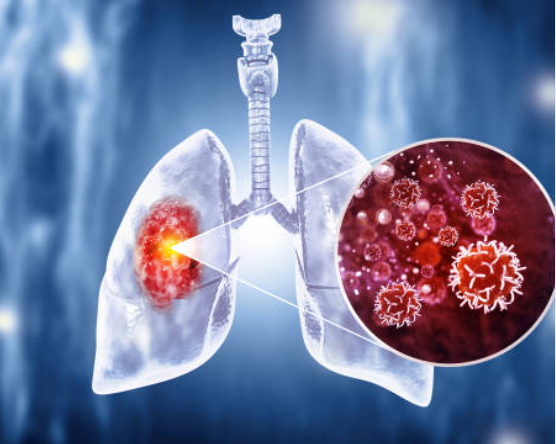
Not everyone needs lung cancer screening. However, certain individuals with specific risk factors should seriously consider getting screened. Here’s who needs to get a screening:
Smokers
Ex-Smokers
Age
Family History
Pollution Exposure
People who have lived in cities with high air pollution, such as Delhi or Mumbai, for long periods.
Occupational Risks
People exposed to substances like asbestos, silica, or diesel fumes.
Benefits of Lung Cancer Screening
The benefits of screening are clear, especially when it comes to early detection. Here are a few reasons why you should consider lung cancer screening:
Early Detection Saves Lives
Non-Invasive
Peace of Mind
Cost-Effective in the Long Run
How the LDCT Scan Works
The screening uses a Low-Dose Computed Tomography (LDCT) scan. Here’s the step-by-step process:
| Step | What Happens |
| 1. Consultation | Pulmonologist reviews your age, smoking history, and family background. |
| 2. The Scan | You lie on a table; the machine captures lung images in under 10 minutes. |
| 3. Radiologist Review | Images are checked for any abnormal nodules or growths. |
| 4. Results & Follow-Up | If a nodule is detected, follow-up scans or a biopsy may be advised. |
Planning an LDCT scan? Make an informed choice with expert advice.
Why Timely Treatment Matters
In lung cancer, the earlier it’s detected, the better the chance of survival. If you wait until symptoms show up, the cancer may have already progressed to an advanced stage where treatment options are limited. Regular screening can detect even the smallest changes in the lungs, leading to a much better prognosis.
Early treatment options can include surgery or targeted therapies, which are more effective when the cancer is still localized.
Recovery & What to Expect
After a lung cancer screening, most people can return to their daily routine right away. The LDCT scan is quick and doesn’t involve any recovery period. However, if a nodule is found, you may need further testing to determine whether it’s cancerous or benign. This could include a follow-up scan or biopsy.
The key takeaway is that most people get reassuring news, but for those who do have nodules, the chances of successful treatment are much higher when the disease is caught early.
Effectiveness of the Treatment
LDCT screening can reduce lung cancer deaths by up to 20%, as shown in global studies. Its impact is highest when done regularly and at the right time, especially for those who meet the screening criteria. Early detection remains the key to better survival outcomes.
When Should You Consult?
If you’re a smoker, a former smoker, or someone who lives in a highly polluted area, it’s time to consider lung cancer screening. Early detection could save your life, so don’t delay in speaking with a healthcare provider about whether you should get screened.
Reach out to a pulmonologist today to discuss your risk factors and take the first step toward safeguarding your health.
Take a step towards early detection—consider LDCT screening at the right time for your peace of mind.