Most people assume two years of smoking has done permanent damage. It usually hasn’t. After two years, the vast majority of the injury smoking causes is still reversible, and the lungs begin repairing themselves within days of the last cigarette. The reason is simple: at this stage the problems are mostly functional, not structural. The cilia that clear your airways recover, the inflammation settles, and lung function climbs back toward normal. What smoking generally hasn’t done yet in two years is scar the lung tissue or destroy the alveoli, which is what makes long-term conditions like COPD so much harder to reverse. Quitting now, and getting a baseline check, makes all the difference.
According to Dr. Manu Madan, a senior Consultant and Pulmonologist in Noida,
“The two-year smoker is in a much better position than someone who has smoked for twenty. The tissue hasn’t been permanently remodelled yet. Quitting at this stage doesn’t just stop further harm, it lets the body reverse a good deal of what’s already there.”
Signs Your Lungs Are Healing After You Quit Smoking
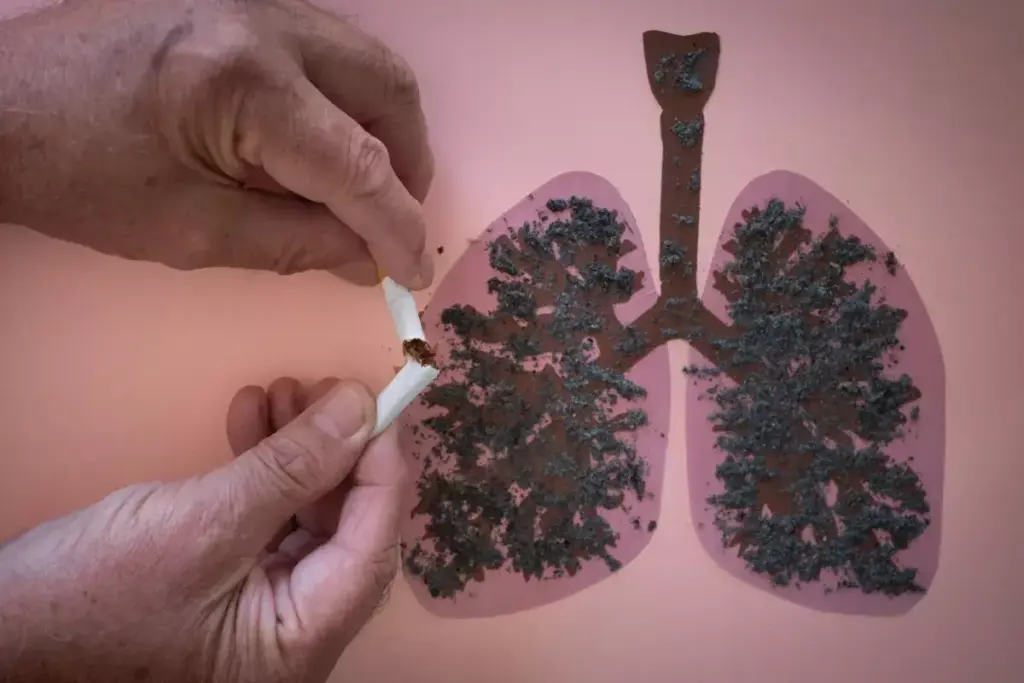
When lungs start to recover, the changes are noticeable, and they follow a rough order. Many people confuse the early stages, like a temporary rise in coughing, with something going wrong. Knowing what to expect helps you read the signs correctly.
Common signs of recovery include:
Oxygen levels normalising within days
Carbon monoxide clears from your blood in the first day or two and oxygen returns to normal. It’s the first repair, and it happens fast.
A temporary increase in coughing
As the cilia start working again over the first few weeks, they sweep out mucus and debris that had built up. It feels worse but it’s a good sign.
Easier breathing within one to three months
Climbing stairs stops feeling like a workout, and lung function measurably improves.
Less breathlessness and chest tightness
By the six-month to one-year mark, the constant morning cough and shortness of breath often drop off sharply.
Sharper taste and smell
These come back as the airways recover, usually within weeks.
Fewer chest infections
Your airway’s natural defences start working again, so you catch fewer colds and infections.
If your cough or breathlessness is getting worse instead of better several months after quitting, that deserves attention, even years after you stopped.
Worried about lingering symptoms after quitting smoking? Book a consultation today with one of the leading pulmonologists in Noida and get a proper evaluation.
Factors That Can Slow or Limit Lung Recovery
Not every ex-smoker heals at the same pace. Certain factors slow recovery down, and knowing your own profile helps you and your doctor decide how closely to monitor progress.
The main factors include:
- How much you smoked daily:Two years at a pack a day is a heavier tar burden than two years of a few cigarettes. Volume matters as much as duration.
- Air pollution where you live:In parts of North India, polluted air keeps irritating the same airways smoking did, slowing the recovery you’d otherwise expect.
- Existing asthma or allergies:If you already have asthma or reactive airways, smoking sits on top of a condition that needs managing alongside recovery.
- Age and general fitness:Younger, more active lungs bounce back faster. Poor nutrition and a sedentary routine drag the timeline out.
- Cutting down instead of stopping:The airways can’t fully repair while smoke keeps arriving, even in smaller amounts.
- Other lung conditions:An undiagnosed condition can mask or slow recovery, which is why a lung function test is worthwhile.
Here’s how the recovery outlook varies by smoking profile:
Smoking Profile | Expected Recovery Outlook | Recommended Follow-Up |
Light (few cigarettes daily, 2 years) | Near-full recovery likely within months | One baseline lung function test after quitting |
Moderate (around a pack a day, 2 years) | Good recovery over 6-12 months | Baseline test, then review if symptoms persist |
Heavy or with existing lung issues | Slower, partial recovery possible | Lung function test plus ongoing monitoring |
Lifestyle factors like diet, exercise, and pollution exposure play a real role too. Staying healthy after quitting isn’t just about feeling good, it directly affects how fully and how fast your lungs recover.
Treatment and Support Options for Lung Recovery
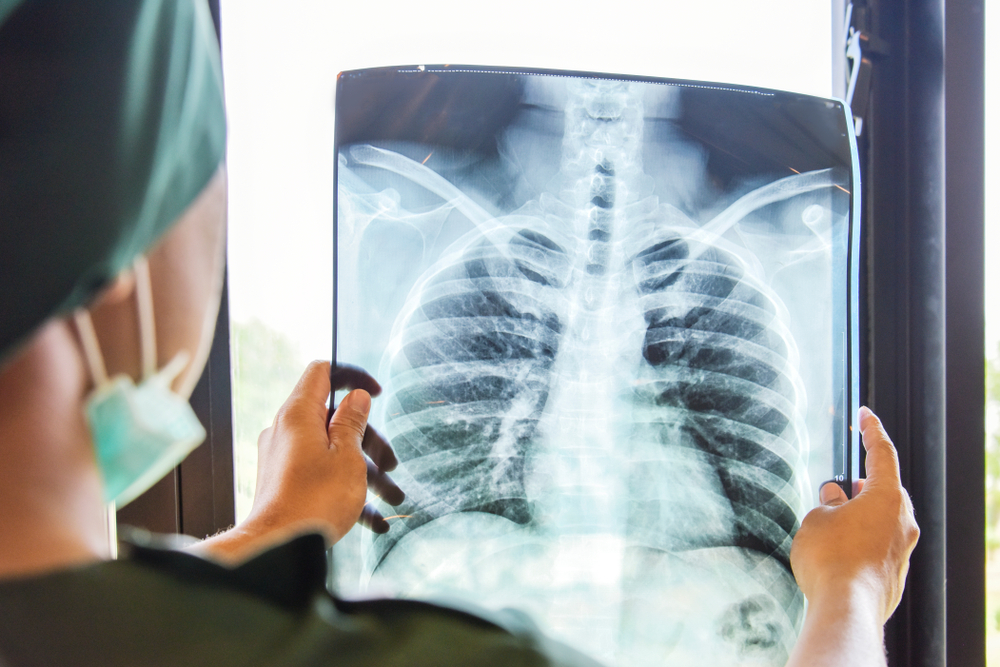
For most two-year smokers, quitting itself does the heavy lifting and no medical treatment is needed. But the right support speeds recovery and catches any problems early. Options range from simple lifestyle steps to targeted medical help.
Main approaches include:
- A baseline lung function test:A one-time spirometry test after quitting confirms your lungs are recovering as expected and rules out early COPD or asthma.
- Pulmonary rehabilitation:For those with lingering breathlessness, structured breathing exercises and supervised activity improve lung efficiency.
- Treating underlying conditions:If asthma or allergies are present, managing them alongside recovery clears up symptoms that would otherwise linger.
- Bronchoscopy when needed:If a cough or breathlessness doesn’t settle, a bronchoscopy lets the doctor examine the airways directly and find the cause.
- Vaccination and infection care:Recovering lungs are more vulnerable to chest infections, so staying current on flu and pneumonia vaccines and treating coughs properly matters.
- Lifestyle support:Regular aerobic activity, an antioxidant-rich diet, good hydration, and staying away from secondhand smoke all speed and protect recovery.
The right plan depends on how much you smoked, whether you have symptoms, and your overall health. Most patients simply need reassurance and a baseline check. Those with persistent symptoms do best with a proper evaluation first.
Patients across Noida and Delhi trust Dr. Manu Madan for lung health after smoking because of his thorough diagnostic approach, expertise in advanced airway procedures, and clear, personalised guidance on recovery.
Recently quit and want to know your lungs are recovering properly? Book a consultation today with one of the leading pulmonologists in Noida and get a clear assessment tailored to you.
Frequently Asked Questions
Can lungs fully recover after 2 years of smoking?
In most people, yes. Two years generally isn’t long enough to cause permanent scarring, so the cilia regrow, inflammation settles, and lung function returns close to normal after quitting.
How long does it take for lungs to heal after quitting?
Oxygen levels normalise within days, cilia recover over a few weeks, and breathing noticeably improves within one to three months. Coughing and breathlessness usually settle significantly by six months to a year.
Why am I coughing more after I quit smoking?
It’s common and usually a good sign. The cilia in your airways are working again and sweeping out built-up mucus. If it persists beyond a few weeks or worsens, see a pulmonologist.
Does cutting down instead of quitting help my lungs recover?
Not much. The airways can’t fully repair while smoke keeps arriving, even in smaller amounts. Meaningful recovery begins only once you stop completely.
Should I see a pulmonologist after quitting smoking?
Yes, a one-time lung function test is worth it, especially if you have any lingering cough or breathlessness. It confirms your lungs are recovering and rules out conditions like early COPD or asthma.