
Respiratory issues may happen to individuals of all ages and may be caused by different types of lung diseases ranging from common illnesses such as asthma to complicated respiratory diseases. Some conditions have acute onset but some may be gradually acquired making it difficult to recognize early clinical symptoms. Understanding clinical signs, causes and options for treatment can assist the patient in obtaining timely medical care and avoiding complications.
Dr. Manu Madan, an experience Pulmonologist in Noida
“Persistent cough, breathlessness, or wheezing should never be ignored. Early diagnosis helps identify lung diseases sooner, allowing treatment to begin before symptoms worsen and affect quality of life.”
Take the first step toward better lung health with timely diagnosis and personalized respiratory care.
Common Symptoms Associated With Lung Diseases
Lung diseases often share similar symptoms, regardless of the underlying condition. Identifying these warning signs early can help ensure prompt diagnosis and treatment.
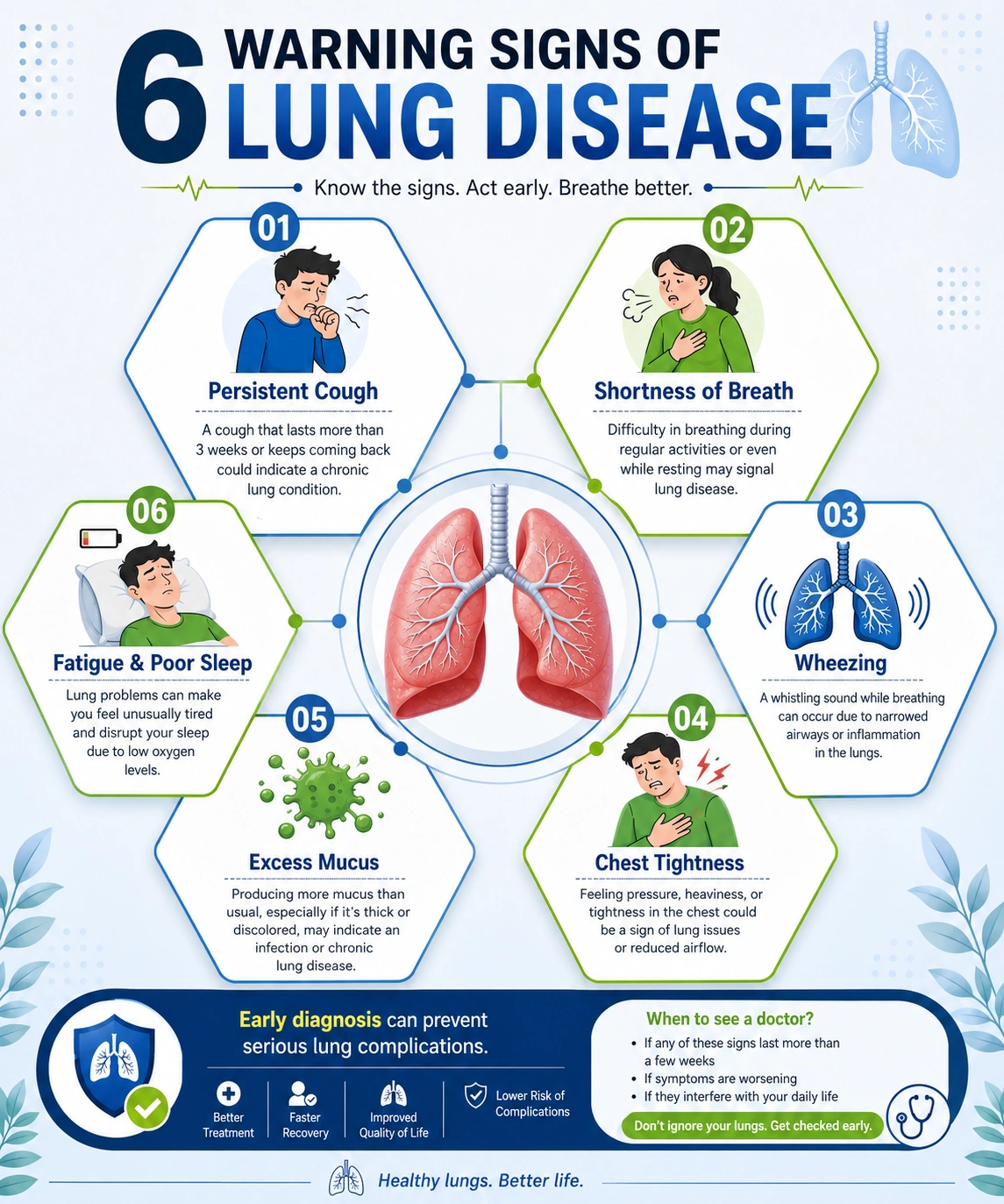
Key Takeaway: Early medical attention can help prevent complications and improve treatment outcomes.
Respiratory symptoms may develop slowly or occur suddenly according to the problem behind them. Intermittent cough and shortness of breath may not always be a reason to worry, but persistent, recurrent, or somehow disabling symptoms must be reported by the patient. An early assessment can help reveal the underlying cause, clarify the situation, and initiate treatment to prevent future complications.
Causes and Risk Factors for Lung Diseases
Several factors can increase the risk of developing lung disease and disorders. While some are unavoidable, many can be reduced through lifestyle modifications and preventive measures.
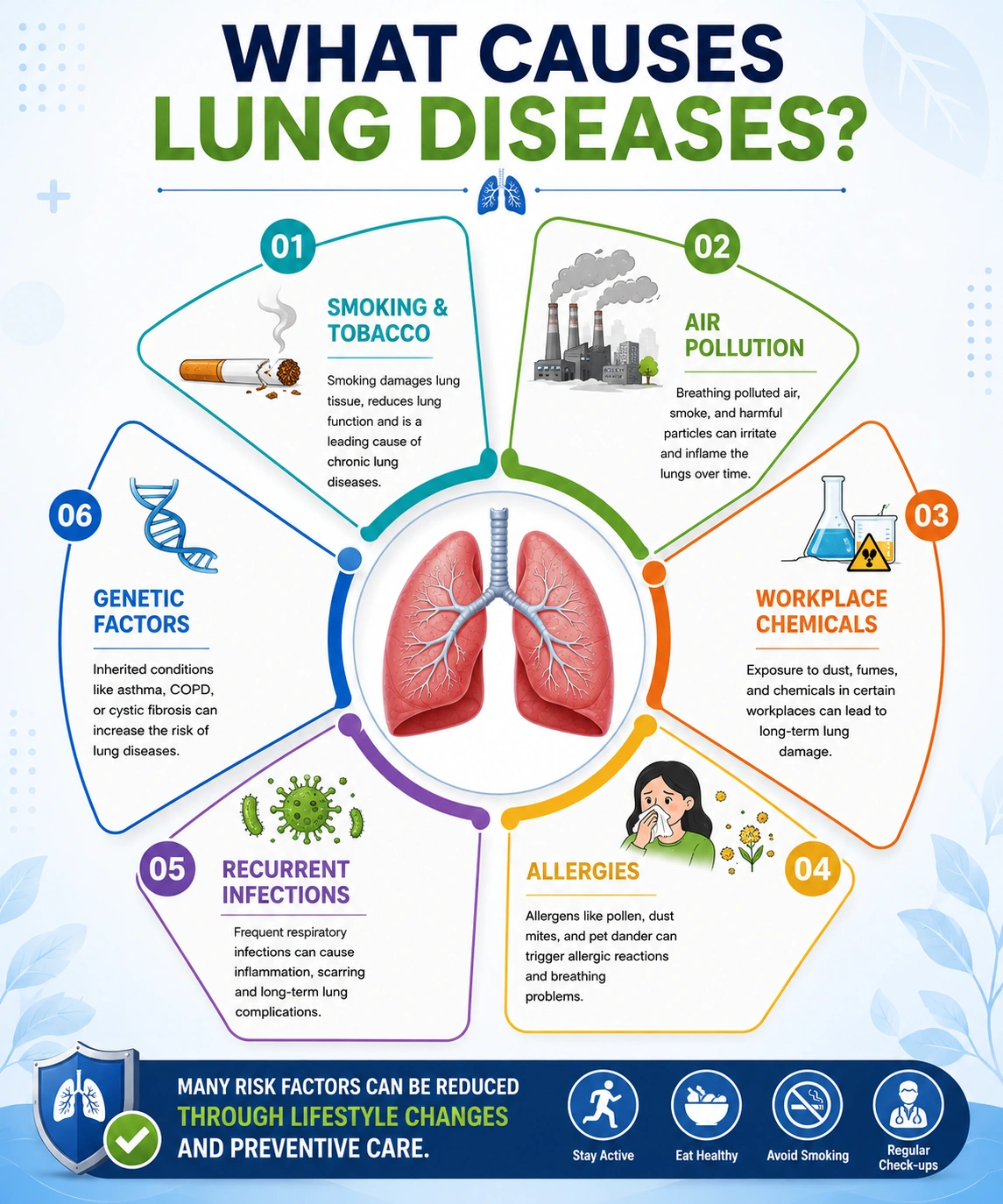
Key Takeaway: Reducing exposure to risk factors can help protect long-term lung health.
The possibility of suffering from a lung ailment frequently rises when many circumstances arise. Smoking, long-term exposure to air pollutants, and irritants due to work like chemicals and dust can slowly destroy lungs. Repeated infections in the respiratory system, lack of treatment of allergic diseases, and hereditary factors can even contribute to a higher possibility of respiratory ailments being developed.
Understanding these risk factors is crucial, as many pulmonary disorders can be prevented or treated more effectively when detected early. By avoiding exposure to known risk factors and seeking timely medical care, including bronchoscopy when recommended, people can protect their lung health and improve long-term outcomes.
Don’t ignore persistent respiratory symptoms—seek timely evaluation to protect your lung health and breathe better.
Diagnosis and Treatment of Lung Diseases
Early diagnosis is essential for identifying the specific type of lung disease and creating an effective treatment plan. The earlier a condition is detected, the better the chances of controlling symptoms and preventing complications.
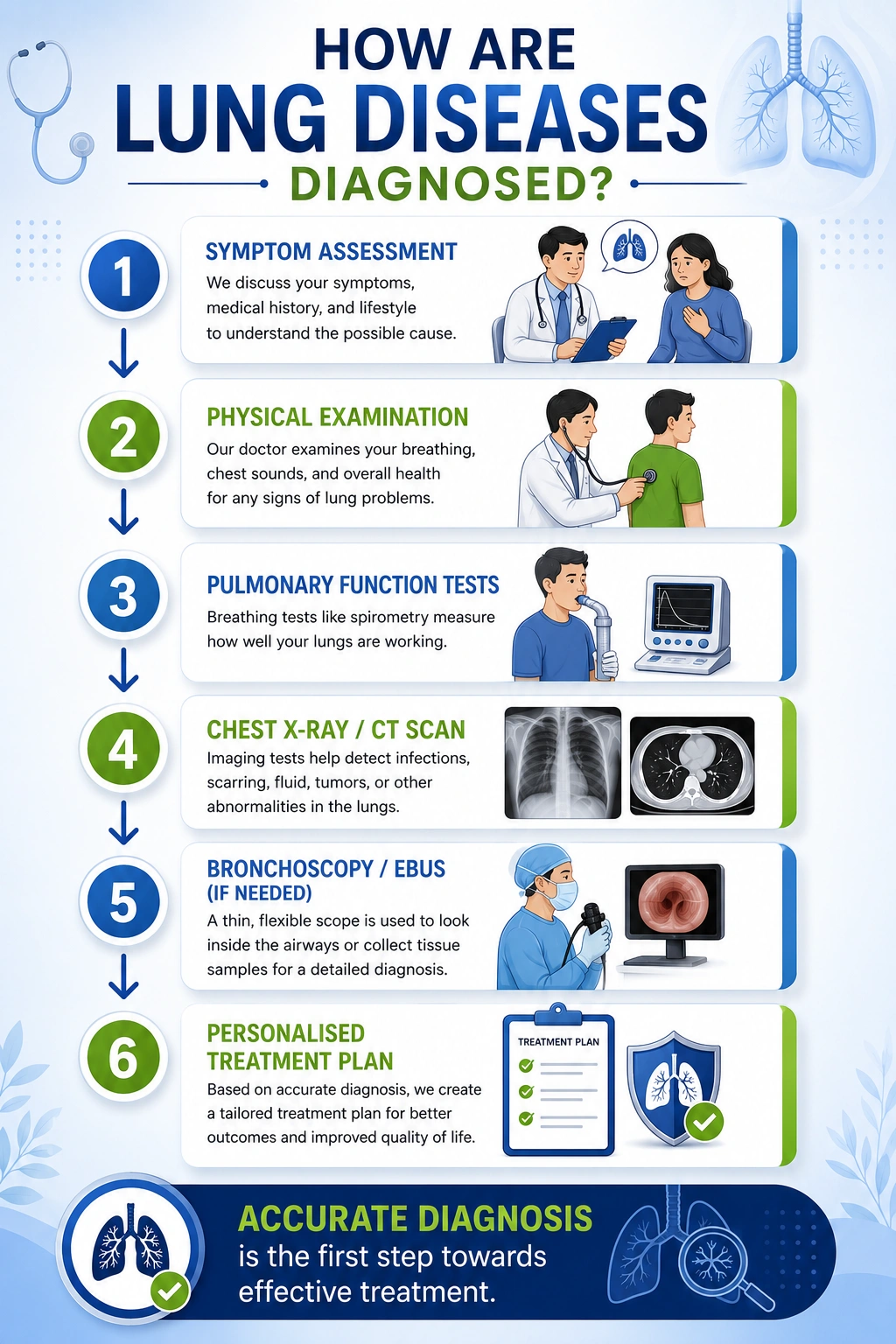
Key Takeaway: Accurate diagnosis helps doctors identify the cause of symptoms and recommend the right treatment.
The treatment plan will depend on what the individual is suffering from but may involve medication, inhalers, therapeutic rehabilitation, lifestyle changes, and advanced forms of treatment like bronchoscopy or EBUS. The aim is to not just control symptoms but also improve lung functioning and maintain the patient’s quality of life
Frequently Asked Questions
What are the major types of lung diseases?
The major types of lung diseases include asthma, COPD, chronic bronchitis, pneumonia, sleep-related breathing problems, and those arising from air pollution.
What are the early warning signs of lung disease?
Some of the early warning signs of lung disease include cough, breathing problems, wheezing, chest pain, producing excess mucus, and feeling tired.
Can air pollution lead to lung disease?
Yes. Constant exposure to air pollution may cause damage to the lungs over time and increase the risk of chronic lung disease.
When should I see a lung specialist?
You should see a lung specialist if you are experiencing breathing issues, a cough that is not going away, frequent lung infections, and wheezing without any reason.
What are the methods of diagnosing lung diseases?
Lung diseases are diagnosed using a combination of the patient’s medical history, physical examination, lung function tests, imaging techniques, bronchoscopy, EBUS, and other specialized tests.