
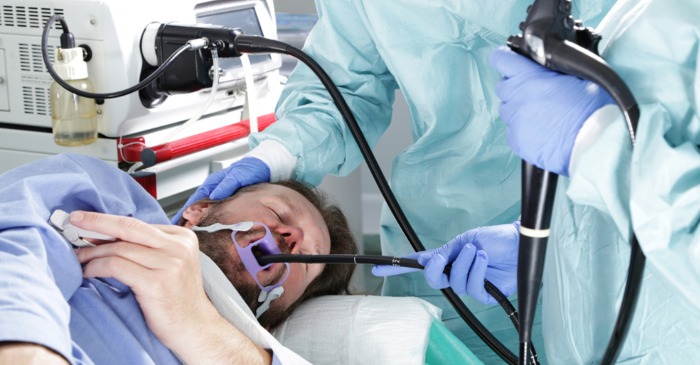
Bronchoscopy lymph node biopsy is known as one of the less invasive kind of diagnosis that is used for checking lymph nodes inside and near the lungs. It is an effective diagnostic approach for diagnosing a number of ailments related to the lungs such as lung infections, inflammatory conditions, and some cancers. In order to find out the exact cause of swollen or abnormal lymph nodes, a small tissue sample is taken and sent to a laboratory for analysis.
Dr. Manu Madan, an expereniced Pulmonologist in Noida, says:
“A bronchoscopy-guided lymph node biopsy allows us to diagnose many chest conditions with precision while avoiding unnecessary surgical procedures. Early and accurate diagnosis helps patients receive the right treatment sooner.”a
Get expert guidance for persistent respiratory symptoms and protect your lung health with timely diagnosis and treatment.
How Is a Bronchoscopy Lymph Node Biopsy Performed?
A lymph node biopsy using bronchoscopy is typically performed when imaging tests reveal enlarged or suspicious lymph nodes within the chest. The procedure is commonly combined with EBUS (Endobronchial Ultrasound), which helps guide the biopsy with greater accuracy.
What makes the biggest difference:
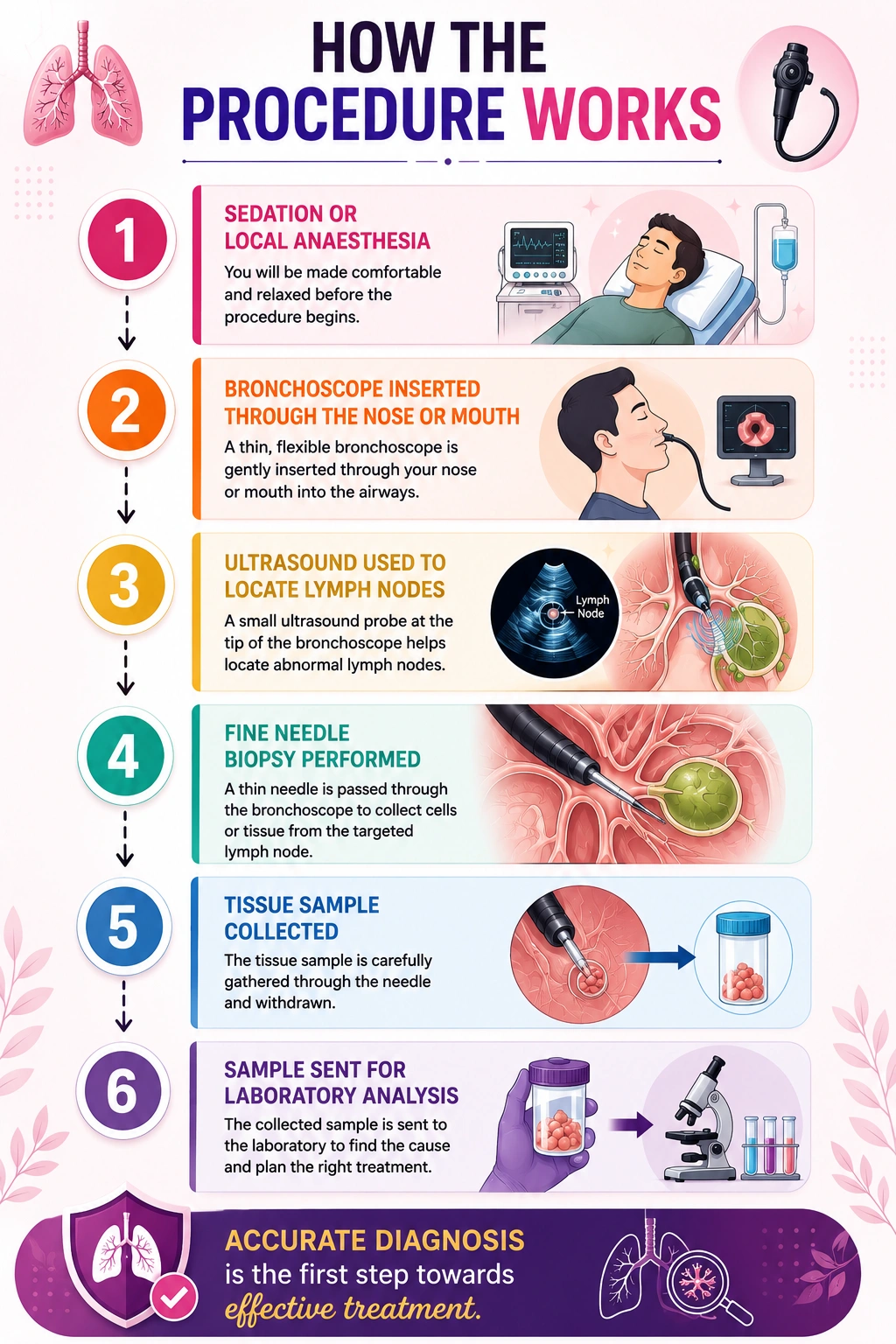
Key Takeaway: The procedure allows accurate sampling of chest lymph nodes without surgery.
The process takes approximately one hour and is done with the patient sedated for comfort’s sake. By means of ultrasound, the pulmonologists will be able to precisely find the right lymph nodes to obtain tissue samples using a thin needle. Because there is no need for making an incision, the recovery process is usually quicker than when using conventional methods of surgical biopsy.
Patients going through bronchoscopy will also receive benefits from accuracy achieved by the EBUS method while checking any suspected conditions in the lungs.
What Conditions Can Be Diagnosed With a Lymph Node Biopsy?
A bronchoscopy lymph node biopsy helps doctors determine why lymph nodes inside the chest have become enlarged or abnormal. The collected tissue provides valuable information that cannot always be obtained through imaging studies alone.
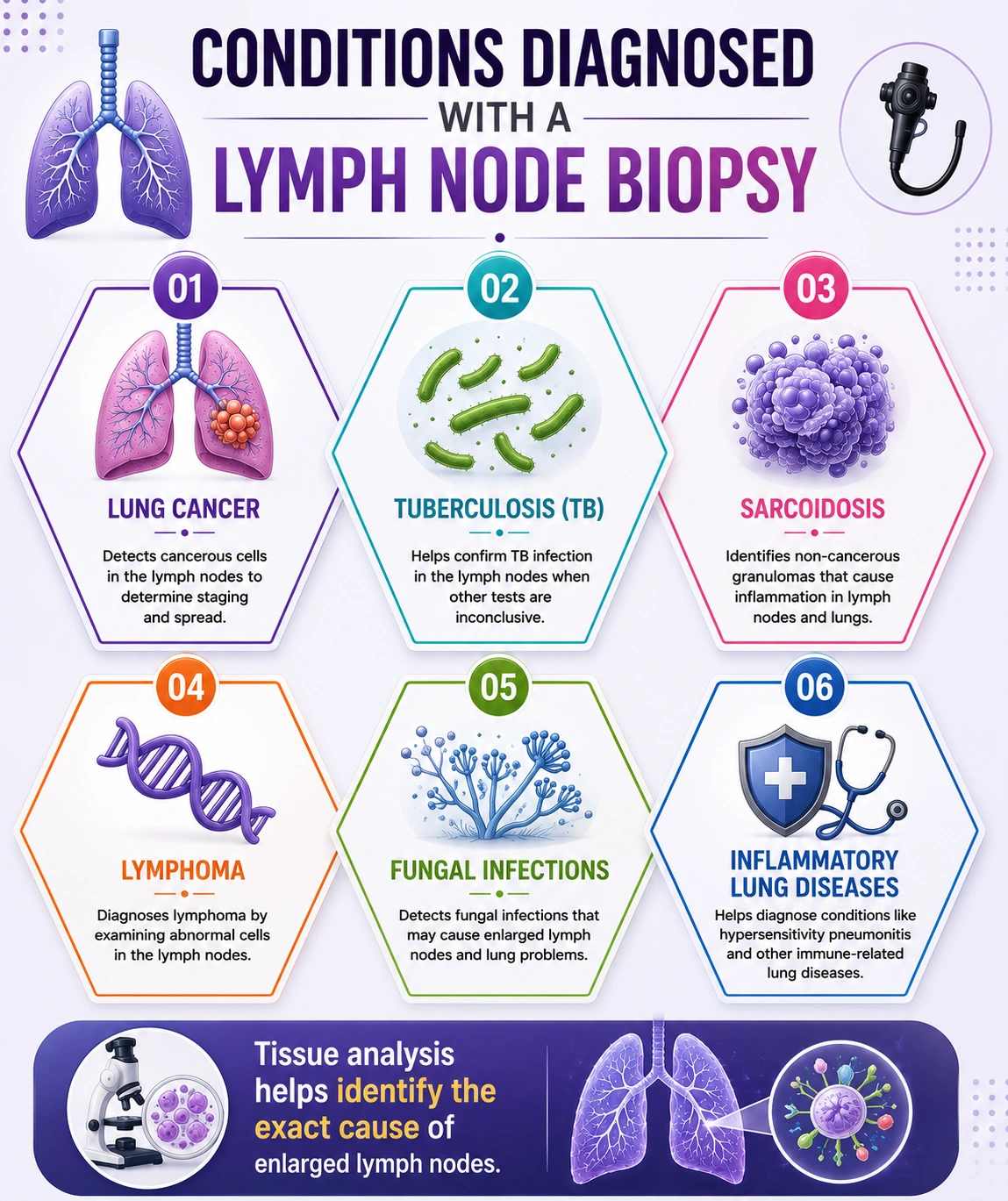
Key Takeaway: Tissue analysis helps identify the exact cause of lymph node enlargement.
The causes of enlarged lymph nodes include infections, inflammatory disorders, and various cancer conditions. To differentiate between these possibilities, the physician may resort to biopsy.
If the diagnosis of lung cancer is suspected, the biopsy results can also be used as a staging tool and for making treatment decisions for the patient. Moreover, some diseases like sarcoidosis or tuberculosis are treated only based on the results of biopsy.
Don’t ignore breathing problems—consult a pulmonologist for accurate evaluation and personalized care.
Recovery, Results and Possible Risks
The majority of patients experience a rapid recovery following a bronchoscopy lymph node biopsy, and can often go home on the same day. Pain in the throat, a temporary cough, or mild hoarseness may occur; these will typically resolve quickly.
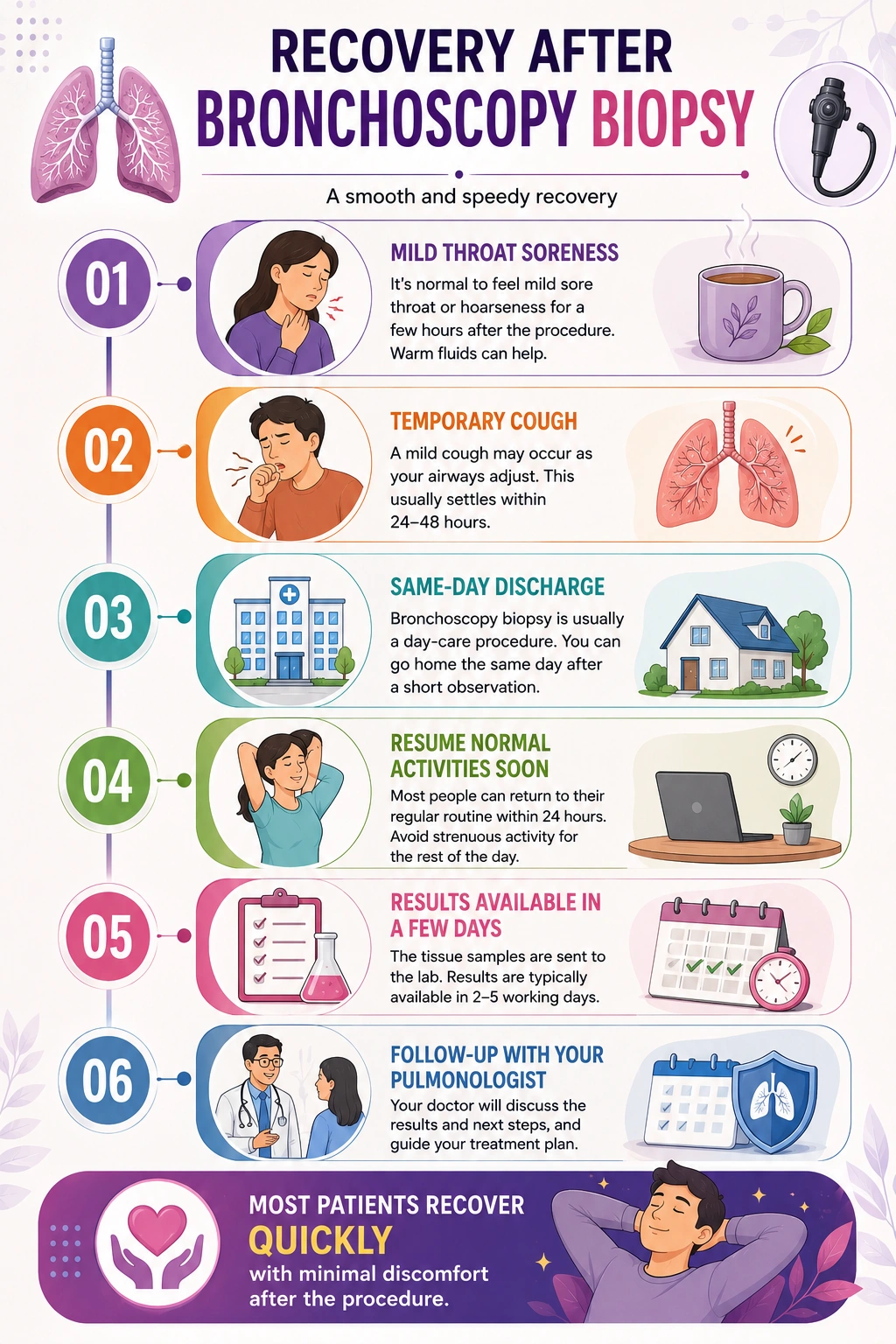
Key Takeaway: Most patients experience a smooth recovery with minimal discomfort.
Biopsy samples are analysed in the laboratory and results are usually available next day. These results are explained to you by the doctor so that any further symptoms or investigation.
Despite being said that it is got a safe procedure, bronchoscopy lymph node biopsy may infrequently have some risks such as bleeding, infection and experiencing some discomfort in breathing. In the majority of cases, serious complications are not encountered especially because procedure is performed in hospitals by highly trained pulmonologists.
Frequently Asked Questions
Does a bronchoscopy lymph node biopsy hurt?
Most of the time, the procedure is carried out under sedation, meaning that most patients will not feel much discomfort during the biopsy itself.
How long will a Bronchoscopy Lymph Node Biopsy last?
This process takes about 30-60 minutes, depending on how many and where the lymph nodes are being examined.
What is EBUS and why does this get employed during the biopsy?
EBUS (Endobronchial Ultrasound): This ultrasound imaging technique helps guide the biopsy needle to the target lymph node in order to increase the accuracy of the biopsy.
When will I get my biopsy report?
The report normally comes out in just a few days, although this can be longer depending on the lab tests that are needed.
Do I need to stay in the hospital after the procedure?
Yes. The majority of patients are able to leave on the same day when the effects of sedation have subsided.