
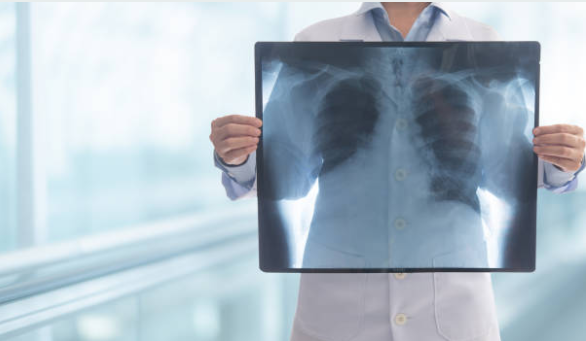
Maintaining lung health is essential, especially in India, where air pollution, smoking, and occupational exposures contribute to a growing burden of respiratory diseases. When comparing HRCT Chest vs CT Scan, it is important to understand that both imaging tests play distinct roles in diagnosing and monitoring lung conditions.
Early detection is crucial for diseases such as interstitial lung disease (ILD), pulmonary fibrosis, pneumonia, and lung cancer. These scans can identify abnormalities at an early stage, enabling timely intervention and improving treatment outcomes.
Early detection of lung diseases such as interstitial lung disease, pulmonary fibrosis, and lung cancer is vital for better outcomes. Scans such as HRCT and LDCT can detect early changes before symptoms develop, enabling timely treatment. In India, where pollution and tobacco exposure are common, preventive lung imaging plays an important role in protecting respiratory health.’’Says a renowned pulmonologist in Noida. — Dr. Manu Madan, MD, DM (AIIMS), Senior Pulmonologist, physician to former Vice President of India Shri Jagdeep Dhankhar, with over 15 years of experience.
Notice respiratory discomfort? Schedule an HRCT or CT scan evaluation today.
What Is a CT Scan and How Does It Work?
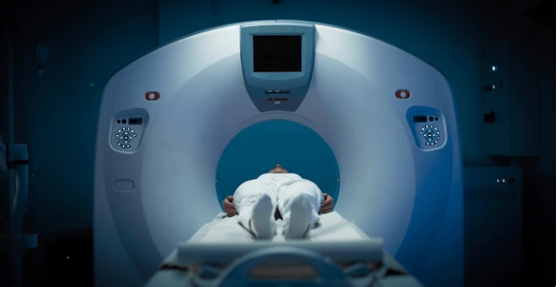
A CT (Computed Tomography) scan is an advanced imaging technique that produces detailed cross-sectional images of the chest. Using X-rays and computer algorithms, CT scans reveal the lungs, heart, blood vessels, and surrounding structures, making it an essential tool for diagnosing a wide range of thoracic conditions.
CT scans are particularly useful for detecting:
- Lung tumors or nodules
- Pneumonia and other infections
- Trauma or chest injuries
- Cardiac and vascular abnormalities
It creates detailed cross-sectional images of the lungs and chest, helping doctors detect tumors, infections, or trauma that are not visible on standard X-rays.”
What Is an HRCT Chest Scan and Why Is It Special?
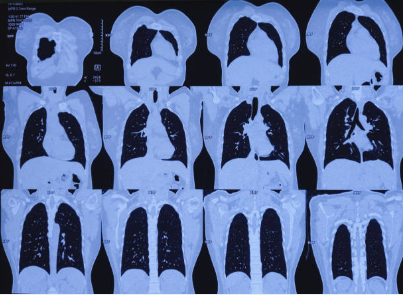
High-Resolution CT (HRCT) is a specialized scan designed to produce thin, high-definition slices of lung tissue, providing far more detail than a standard CT. HRCT is especially helpful for assessing the lung parenchyma and identifying subtle changes such as scarring or early interstitial lung disease (ILD).
HRCT is less useful for general chest evaluation but excels when precise lung tissue analysis is needed. It is commonly recommended for patients with chronic lung conditions, unexplained breathlessness, or suspected pulmonary fibrosis.
“HRCT provides high-resolution images of lung tissue, making it the preferred choice for detecting early interstitial lung disease and subtle lung fibrosis.”
Experiencing unexplained respiratory symptoms? Schedule your HRCT scan to check lung health
How Does a CT Scan Differ from HRCT?
| Feature | Standard CT Scan | HRCT Chest Scan |
| Image Resolution | Good | Very High |
| Slice Thickness | 5–10 mm | 1–2 mm |
| Best For | Tumors, trauma, heart & vessels | Lung tissue detail, fibrosis, ILD |
| Radiation Dose | Higher | Moderate/Lower |
| Cost in India | ₹5,000–12,000 | ₹6,000–10,000 |
A CT scan is ideal for a comprehensive chest evaluation, while HRCT focuses on fine-scale lung tissue analysis. Patients with chronic lung issues may benefit from HRCT, whereas those being screened for tumors or injuries often start with a standard CT.
“While CT scans evaluate general chest conditions, HRCT detects subtle changes in lung tissue, making it essential for diagnosing early fibrosis or ILD.”
When Should You Choose a CT Scan?
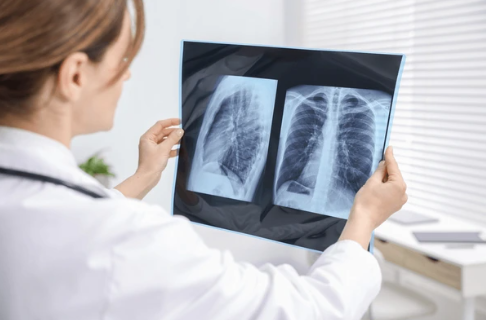
A standard CT scan is usually preferred when the goal is to evaluate the chest comprehensively. Typical scenarios include:
- Detecting lung tumors or nodules
- Assessing chest trauma or injuries
- Examining the heart, bones, and major blood vessels
- Diagnosing complex chest conditions beyond the lungs
CT scans provide an overall view of the chest, allowing physicians to make accurate diagnoses for both thoracic and mediastinal conditions.
When Should You Choose an HRCT Chest Scan?
HRCT is recommended when a detailed evaluation of lung tissue is required. Scenarios include:
- Detecting lung fibrosis or early interstitial lung disease
- Investigating chronic lung conditions such as COPD or post-TB damage
- Evaluating subtle structural lung changes not visible on standard CT
HRCT is ideal for patients needing a detailed assessment of lung tissue to detect early fibrosis or interstitial lung disease.
Who Needs a Low-Dose CT Scan (LDCT) for Screening?
In India, LDCT scans are recommended for high-risk individuals:
- Current or former smokers (≥20 pack-years)
- Age 50–80 years
- Individuals exposed to heavy air pollution (Delhi, Mumbai, Kanpur, etc.)
- People with occupational exposure to asbestos, silica, or diesel fumes
- Family history of lung cancer
LDCT is designed to detect lung cancer at an early stage, improving survival and treatment outcomes while minimizing radiation exposure.
What Are the Risks of CT and HRCT Scans?
Both CT and HRCT scans are generally safe, but minor risks exist:
- Radiation exposure: Standard CT delivers higher doses than HRCT; LDCT is lowest
- Allergic reactions: Possible if contrast dye is used
- Incidental findings: Can lead to additional tests
“CT and HRCT scans are safe, but patients may experience mild risks such as radiation exposure or contrast dye reactions.”
Why Early Detection Matters for Lung Health
Early detection of ILD, pulmonary fibrosis, or lung cancer improves outcomes. HRCT and LDCT scans can spot changes before symptoms appear, enabling timely treatment. In India, pollution and smoking make preventive imaging crucial.
CT scans are best for general chest evaluation and tumors, while HRCT focuses on lung tissue and early ILD/fibrosis. High-risk individuals should consider LDCT screening. Always consult a pulmonologist for the right scan.
Experiencing chronic cough, breathlessness, or unexplained fatigue? Book a consultation with a certified lung specialist today.
Frequently Asked Questions
1. Which scan is better for early lung disease detection?
HRCT provides high-resolution images for early fibrosis and ILD, while CT evaluates general chest pathology.
2. How long does each scan take?
- CT and HRCT typically take 5–10 minutes.
3. Is radiation from CT/HRCT safe?
Yes, radiation doses are within safe limits; LDCT is safest for annual screening.
4. Can scans detect lung cancer and fibrosis simultaneously?
Depending on the protocol, yes. LDCT focuses on cancer, HRCT on tissue detail.
5. Do I need a doctor’s referral for HRCT?
Yes, a pulmonologist or radiologist usually orders it based on symptoms or risk factors.